Ready-To-Go
Models & Activities
Our models and activities have already been tested in the classroom. Use one in your next lesson.
Popular Items

BIG FROG Model + Dissection features large parts that are easy to cut out and assemble. With easy to read labels (and vocabulary sheet with simple definitions) this is a great learning tool to study anatomy, organs, and body systems. More importantly the BIG Frog Model is just FUN!!!
The paper dissection serves as an alternative or complement to traditional dissections. Or perform surgery and save the frog by replacing a failing organ.
Attach the 3D Body Pop-Up to make the frog more realistic and adorable.
Features:
Mouth & Ventral Abdominal Muscles Add-Ons
Color and Black & White Versions
Labeled and Unlabeled Versions
Anatomy Vocabulary Sheet
Male or Female Options
Instructions
3D Pop-Up
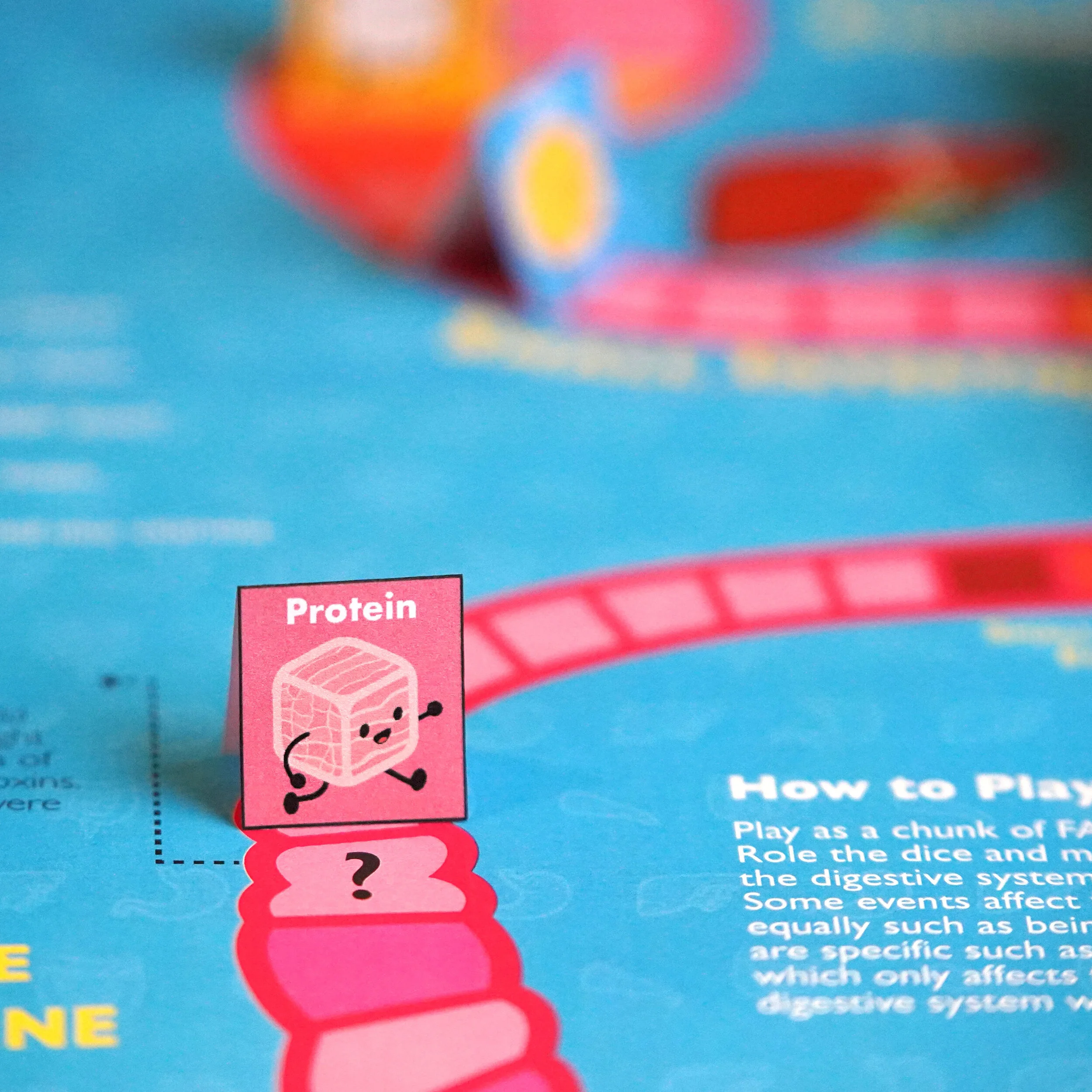
The digestive game will teach students how the body is a system of interacting organs through fun and interactive gameplay. Each player has the choice to play as an undigested piece of sugar, protein, or fat, all with the same idea: Don’t Get Digested.
These bits of undigested food will be in constant danger as they pass through the digestive system. This mini game is a creative and fun way to teach students how the parts of digestive system work together. This activity meets the NGSS standard MS-LS1-3.
Includes:
Color or Black & White options
Optional 11x17 game boards
Two activity worksheets.

Like Peanut Butter and Jelly, somethings are meant to go together. Purchase the Pollination Activity and 3D Flower Model Bundle together to maximize the learning experience.
The Pollination Activity is an engaging way to teach students about pollination. All students will be active participants through this hands on activity. Students will learn how specialized plant structures influence pollinator behavior. Every pollinator included comes with a character card that explains their attraction to different plant features (petal color, scent, etc.). These descriptions will guide students in this interactive activity. Worksheets are included to help students determine how pollination is influenced by specialized physical features of plants. The Pollination Activity meets the MS-LS1-4 Standard.
Featured Pollinators:
Big Blind Bat
Hungry Hummingbird
Blue Butterfly
Gray Moth
Busy Bee
Purple Striped Bee
The 3D Flower Model is a great visual aid designed to pair with the Pollination Activity. It’s easy to construct (video available), visually appealing, recyclable, and not to mention fun to make. Students of all ages (K-12) will enjoy putting this together. They will be actively engaged while learning about the parts of the flower and pollination.
Featured Parts:
Stigma
Style
Ovary
Ovule
Filament
Anther
Receptacle
Sepal
Stem
Roots
Pollen

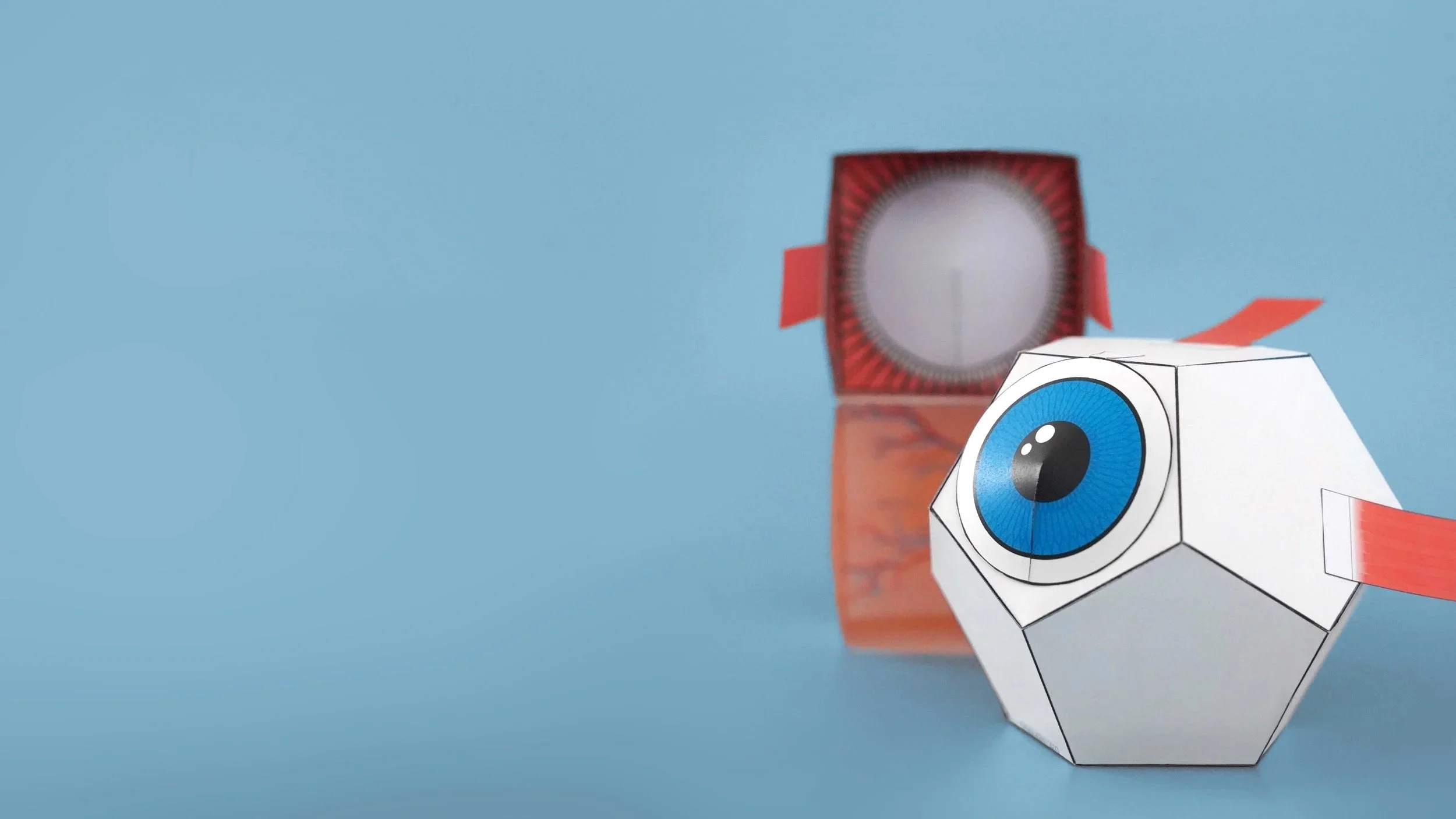
BIG Eyeball Model + Dissection features large parts that are easy to cut out and assemble. With easy to read labels (and vocabulary sheet with simple definitions) this is a great learning tool to study anatomy of the eye and how it works. More importantly the BIG Eyeball Model is just FUN!!!
The paper dissection serves as an alternative or complement to traditional dissections. Additionally, two versions (with templates for making transparent cornea and lenses) allows for easy differentiation in the classroom.
Features:
Two Versions for Differentiated Instruction
Templates for Clear Cornea & Lens
Color and Black & White Versions
Labeled and Unlabeled Versions
Anatomy Vocabulary Sheet
Anatomy Diagrams
Activities
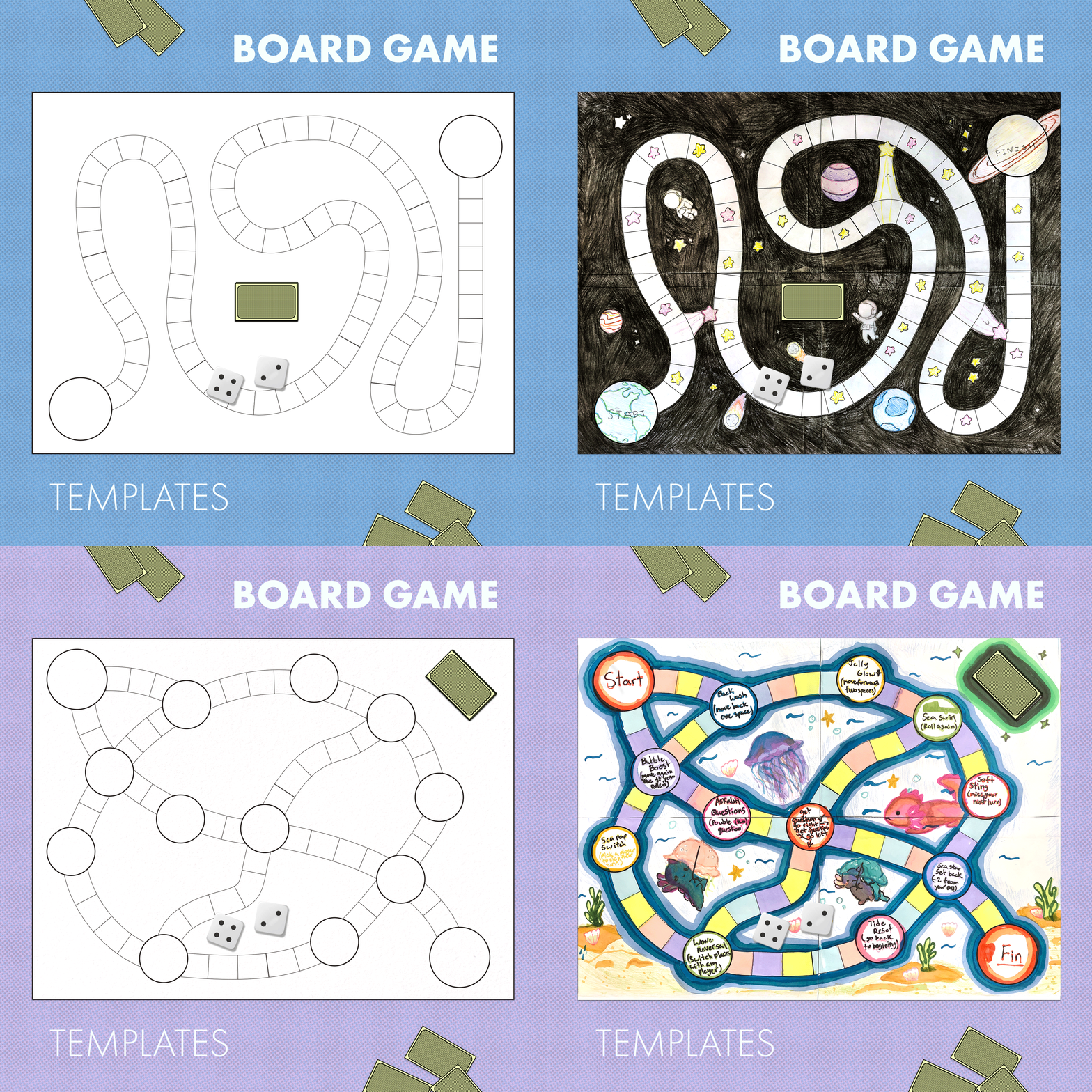
Make reviewing fun! Turn studying into a game with our Board Game Templates. Students use the card template to write questions for their own game; write their own rules; develop their own theme; and transform their game board into unique works of art and play.
Two different game boards offer opportunities for differentiation. Additionally, game question cards can be used as flashcards, allowing anyone to quiz them.
Features:
2 Single Path Game Board Templates
1 Multi-Path Game Board Template
Question Card Template
Easy Differentiation
Instructions

The Circulatory Model & Activity is a creative, visual way to teach students about the circulatory system and how it interacts with other organs and subsystems of the human body. The pop-ups contain diagrams and information that teach students about the respiratory system and how oxygen is taken in and carbon dioxide taken out; about the removal of waste; the circulation of nutrients; and the role of red blood cells. The activities are designed to promote active student learning, interaction and discussion. This circulatory model meets the NGSS standard MS-LS1-3.
Model Activities:
Circulation of Red Blood Cells
Action of Valves
Removal of Waste
Clogging of Arteries
Features:
Color or Black & White Printing Option
Modular Design with Assembly Video
Includes Worksheet

The Chuck-Ken Food Web is based on the animals that live on the Chuck-Ken Islands (located somewhere in the Pacific Ocean). Students will work together to develop a food web for the Chuck-Ken Islands based on information given for each organism, like the Moo-Moo and the Fuzzipillar that eat grass.
Students can learn about primary, secondary, and secondary consumers, as well as keystone species, while making their own unique food webs - multiple possible but equally correct food web renditions. (Hang up the finished food webs on the wall for future reference.)
Features:
Unique Animals with Fun Names
Multiple Correct Food Web Renditions
Color and Black & White Versions
Square or Circle Tiles

The Puppet Species Interactions is an engaging cooperative activity to teach students about species interactions. All students will be active participants through this hands on activity. Student groups can act out an interaction using puppets or perform it themselves using the mask option. Every interaction has a skit card and corresponding puppets. Students can stick to the script or add their own twist.
Multiple worksheets versions are included to fit your pace. And both color and black & white versions are included.
Featured Interactions:
Predation
Competition
Mutualism
Parasitism
Commensalism
Amensalism
Activity Includes:
15 Puppets (Paper Bag & Stick Types)
Color and Black & White Versions
Species Interactions Table
3 Worksheet Options
9 Mask Options
12 Skit Cards
Instructions
Examples: Bobcat & Bunny

The Pollination Activity is an engaging way to teach students about pollination. All students will be active participants through this hands on activity. Students will learn how specialized plant structures influence pollinator behavior. Every pollinator included comes with a character card that explains their attraction to different plant features (petal color, scent, etc.). These descriptions will guide students in this interactive activity. Worksheets are included to help students determine how pollination is influenced by specialized physical features of plants. The Pollination Activity meets the MS-LS1-4 Standard.
Featured Pollinators:
Big Blind Bat
Hungry Hummingbird
Blue Butterfly
Gray Moth
Busy Bee
Purple Striped Bee
Activity Includes:
6 Pollinators
Pollinator Instruction Cards
Color and Black & White Versions
Multi-size Flowers
Worksheets
Instructions
The 3D Flower Model sold separately.
The Puppet Species Interactions is an engaging cooperative activity to teach students about species interactions. All students will be active participants through this hands on activity. Student groups can act out an interaction using puppets or perform it themselves using the mask option. Every interaction has a skit card and corresponding puppets. Students can stick to the script or add their own twist.
Multiple worksheets versions are included to fit your pace. And both color and black & white versions are included.
Featured Interactions:
Predation
Competition
Mutualism
Parasitism
Commensalism
Amensalism
Activity Includes:
15 Puppets (Paper Bag & Stick Types)
Color and Black & White Versions
Species Interactions Table
3 Worksheet Options
9 Mask Options
12 Skit Cards
Instructions
Examples: Bobcat & Bunny